TimeLine

Overview
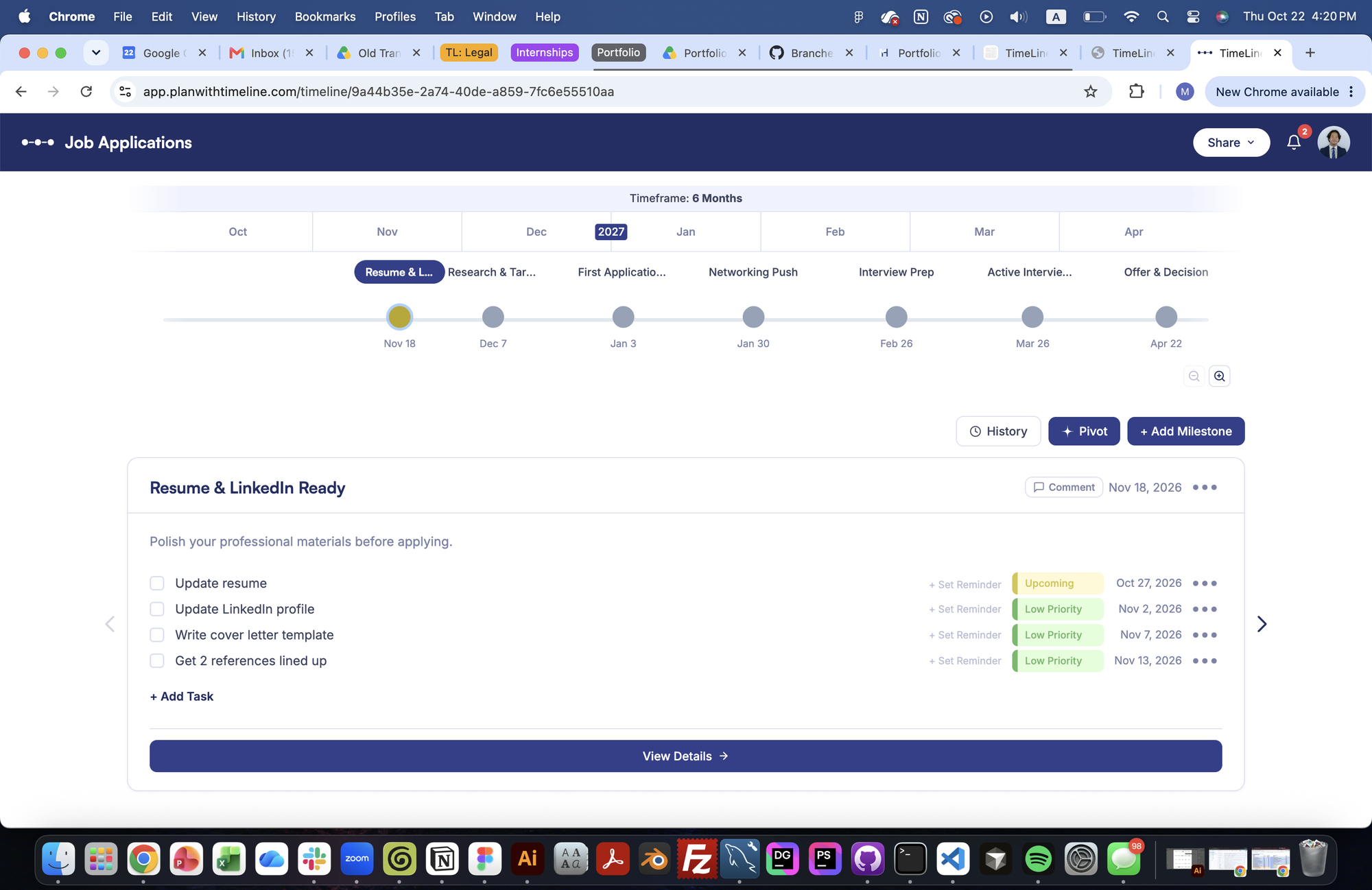
↓ Go to SolutionTimeLine is a productivity startup designed to help college students plan and keep track of personal long-term goals. The app allows users to create a visual timeline of their goals, set milestones and tasks, and track their progress over time.

Problem
The idea was inspired by my long-term goal of transferring. My dream program was USC's Iovine & Young Academy, which was a highly competitive program requiring a strong interdisciplinary skillset & portfolio. When I began working towards this goal, I realized there was no curated tool specializing in helping you track progress over months or years.
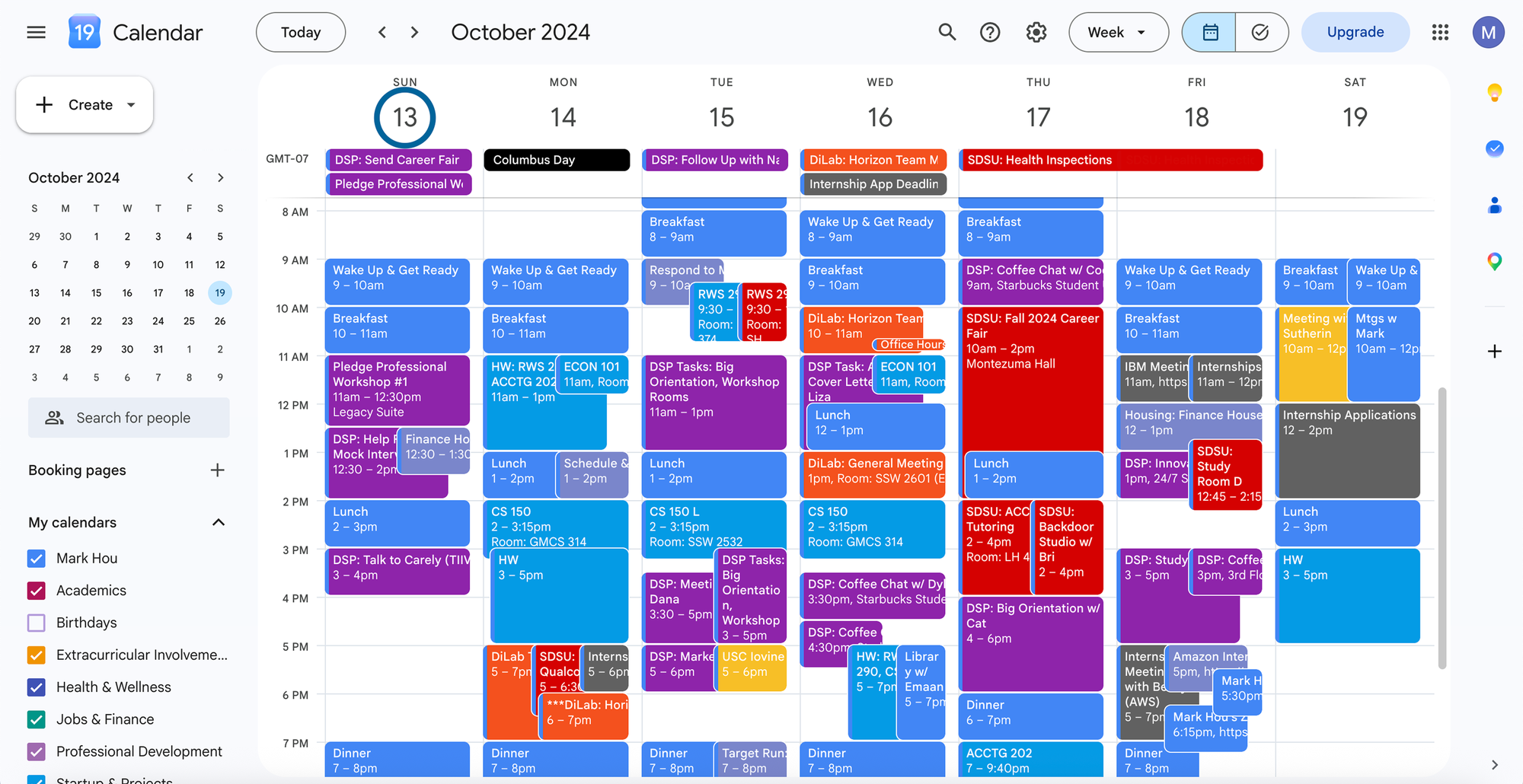
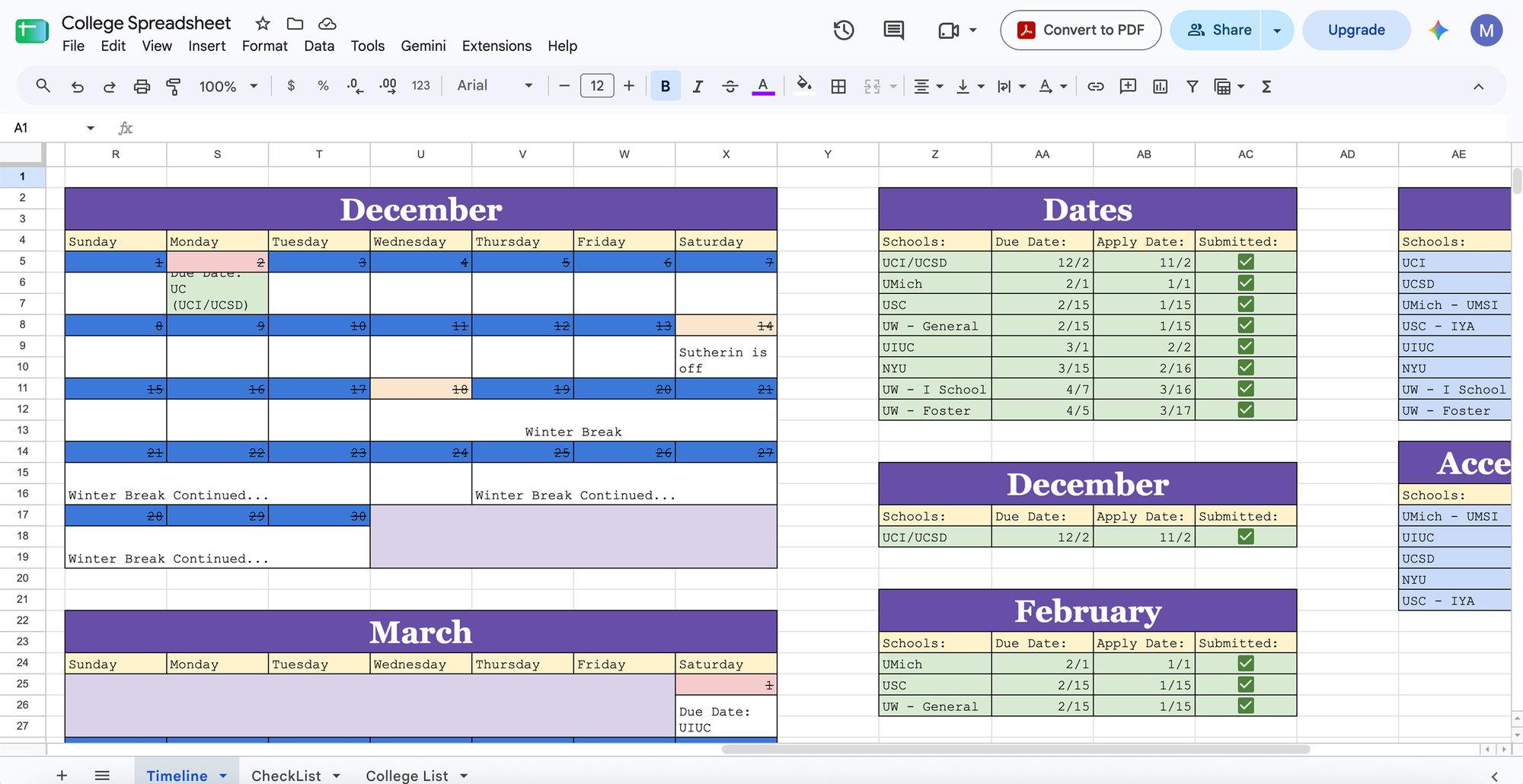
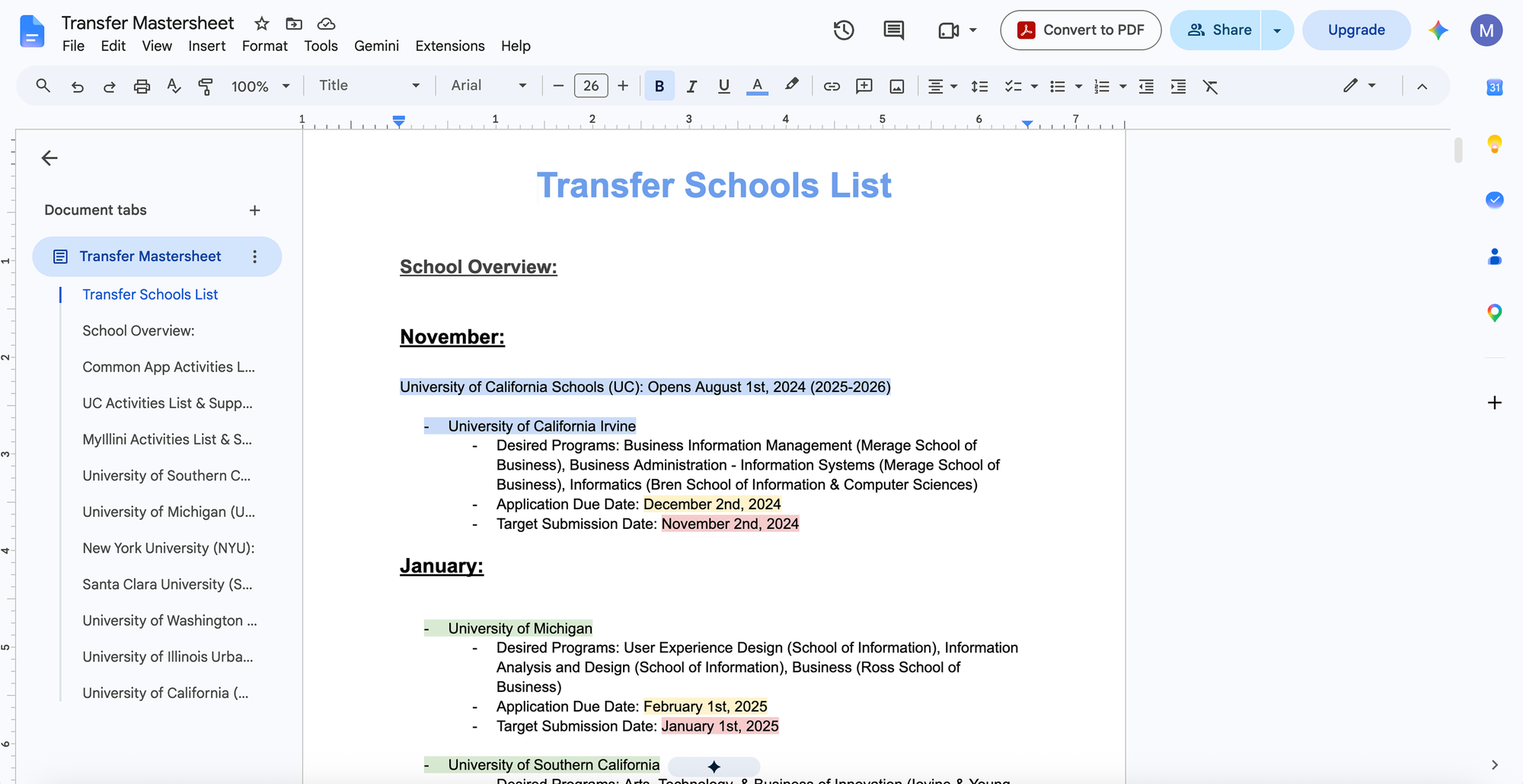
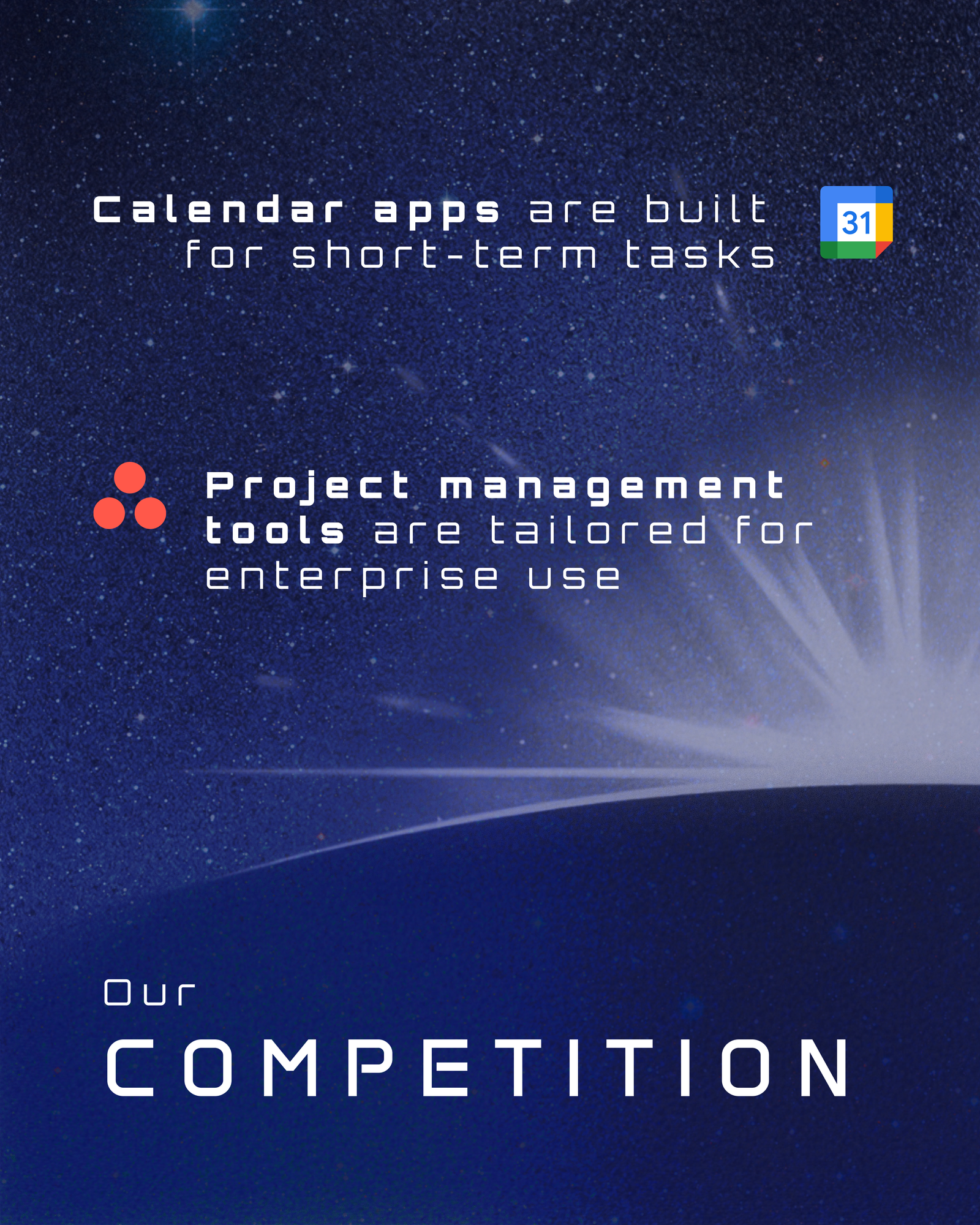
I tried notes & docs, spreadsheets, calendar apps, but none of them were tailored for long-term goals, and I was stuck muscling my way through the process manually with a scattered system of tools.
Ideation
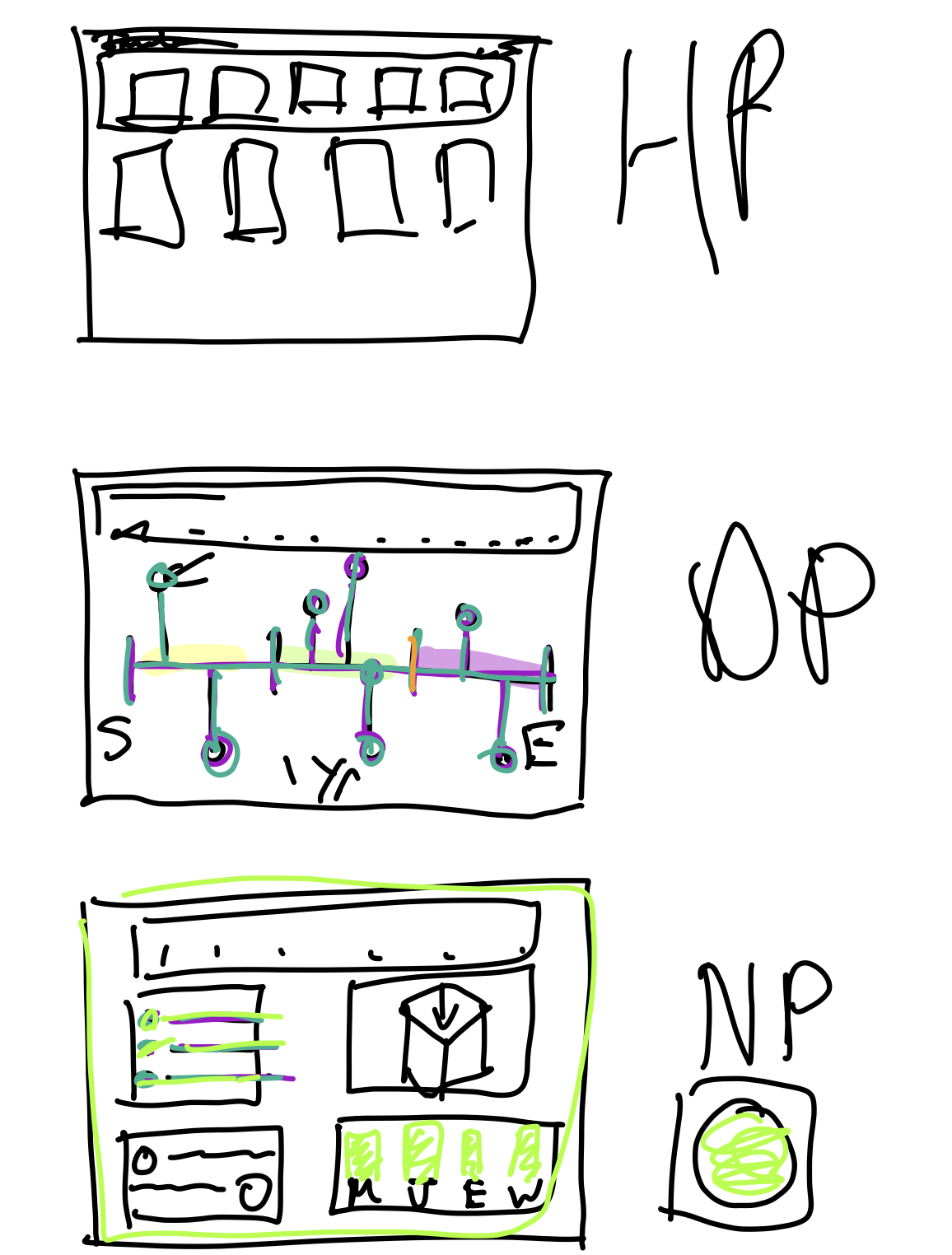
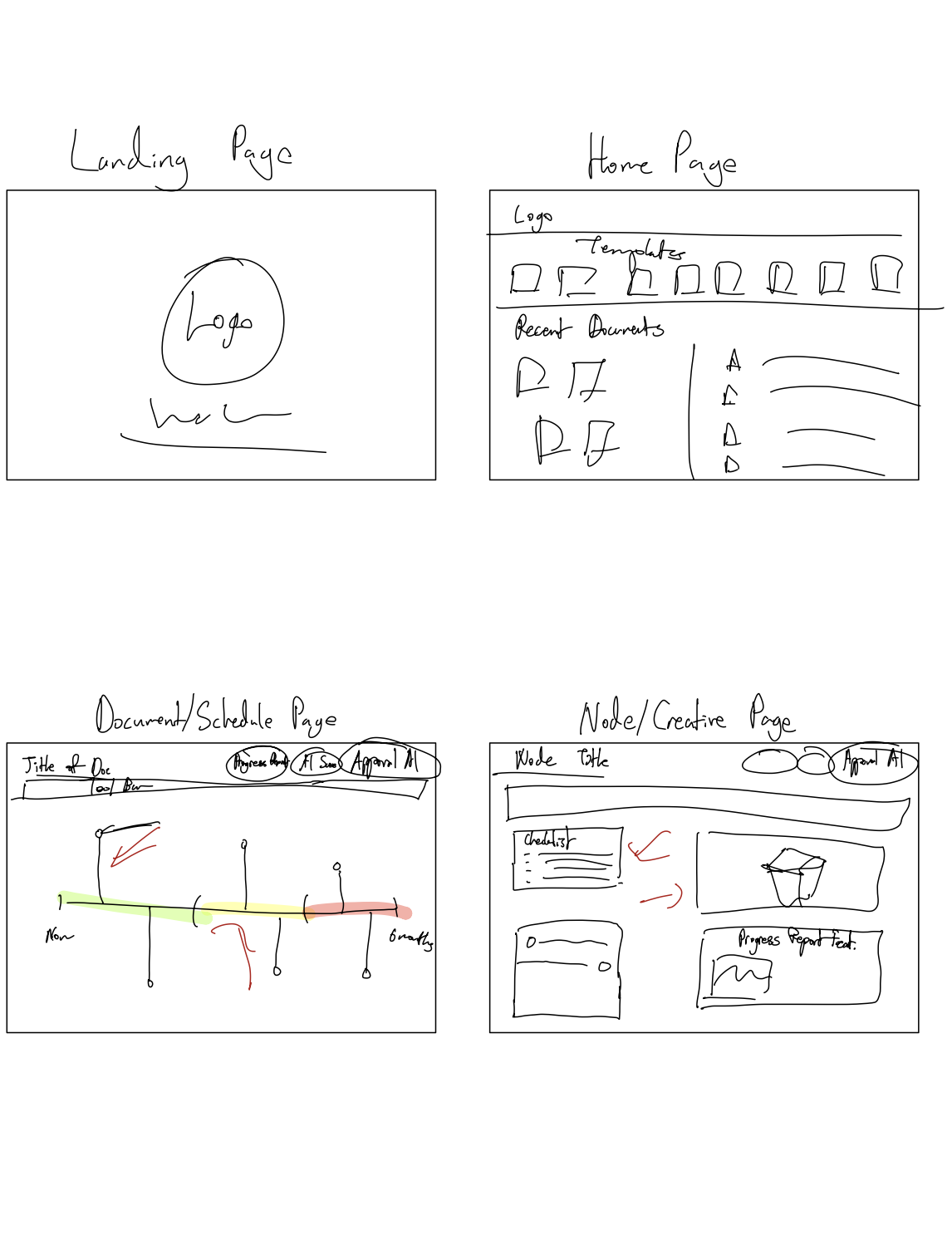
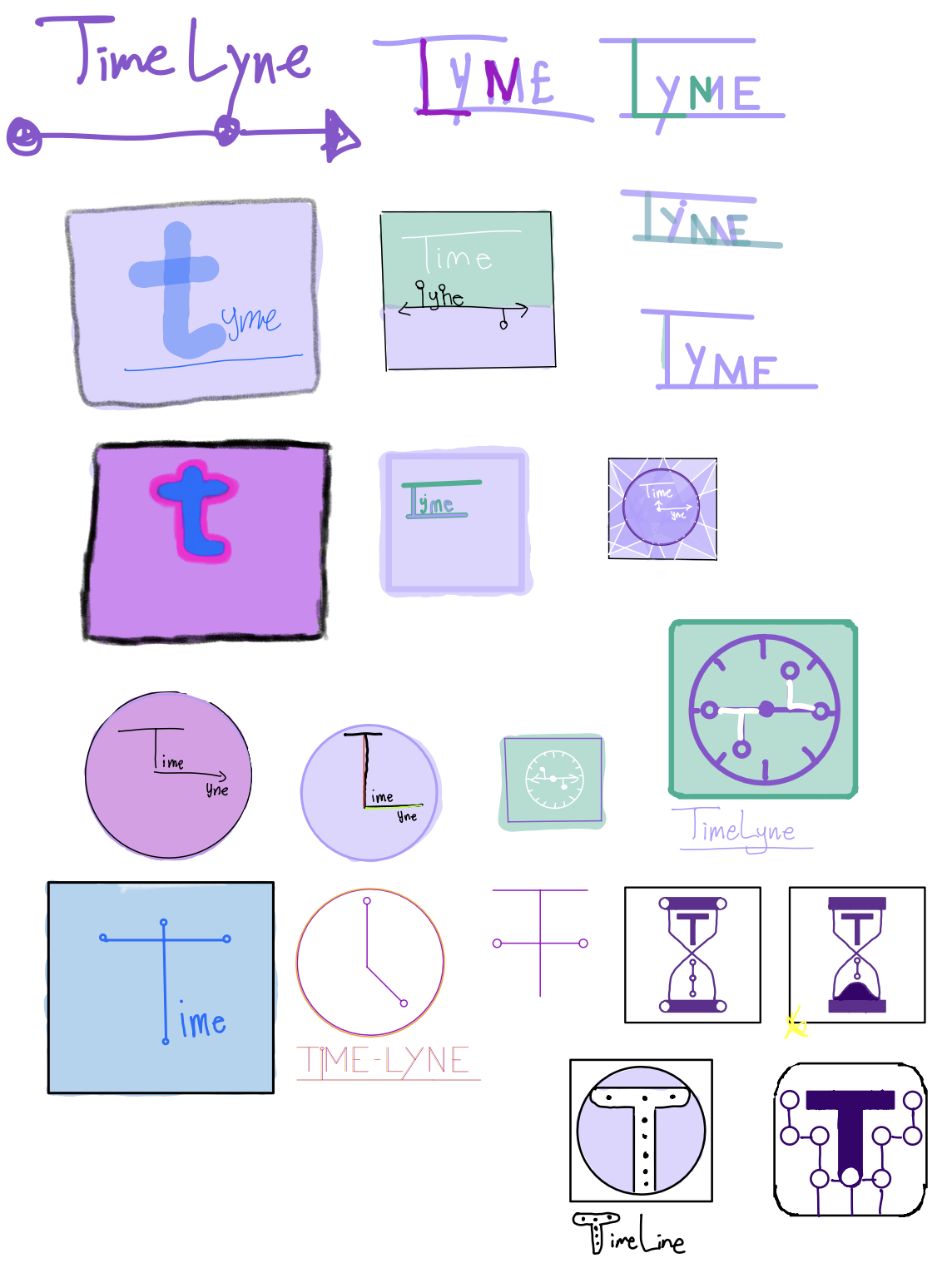
Then one day brushing my teeth in my Freshmen year dorm, I thought of the idea of a tool to help solve this problem. I began to do initial sketches of the idea: how the site would work, what pages would there be, how would the "timeline" be visualized, and what features would be included. I also began to think about the branding (logos, color palette), and how it would be positioned in the market.
Fun fact: I originally called it TimeLyne, but later changed it to TimeLine for better readability and searchability.
Research
After focusing on transferring to USC for a year, I revisted TimeLine afterwards in December 2025. I began to conduct research to better understand the pain points around long-term planning and productivity, casting a wide net across 5 demographics: undergrad students, grad students, post-grad young adults, high school students, middle age adults.
Based on the research, I found the strongest resonance around colleges students & post-grad young adults. Alongside a survey of 50+ respondents and 20+ interviews, I found the 83% of students & young adults thought about long-term goals daily or weekly, 67% said they had no dedicated planning tool, and 73% had negative experiences using existing productivity tools like Notion around long-term planning.
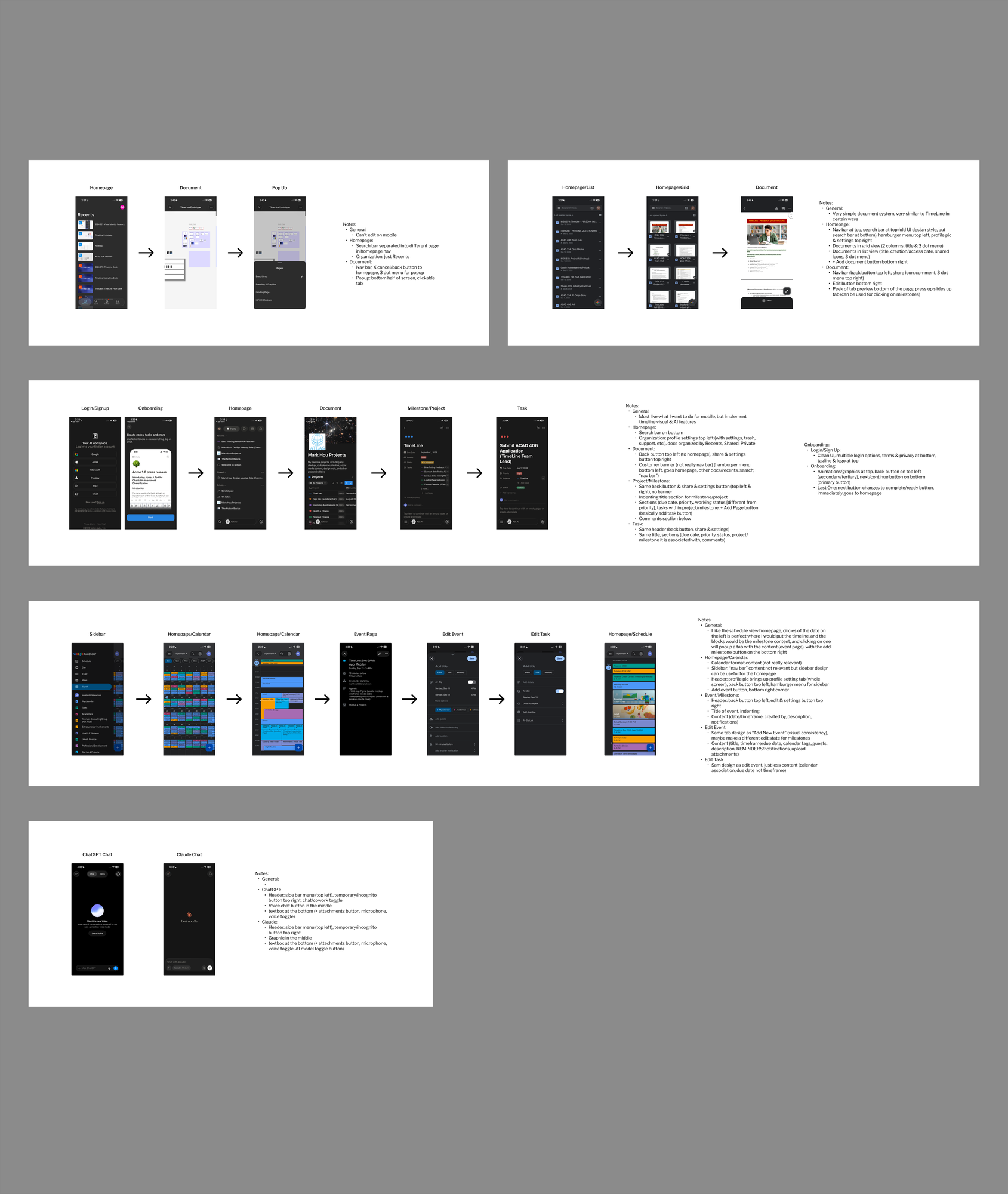
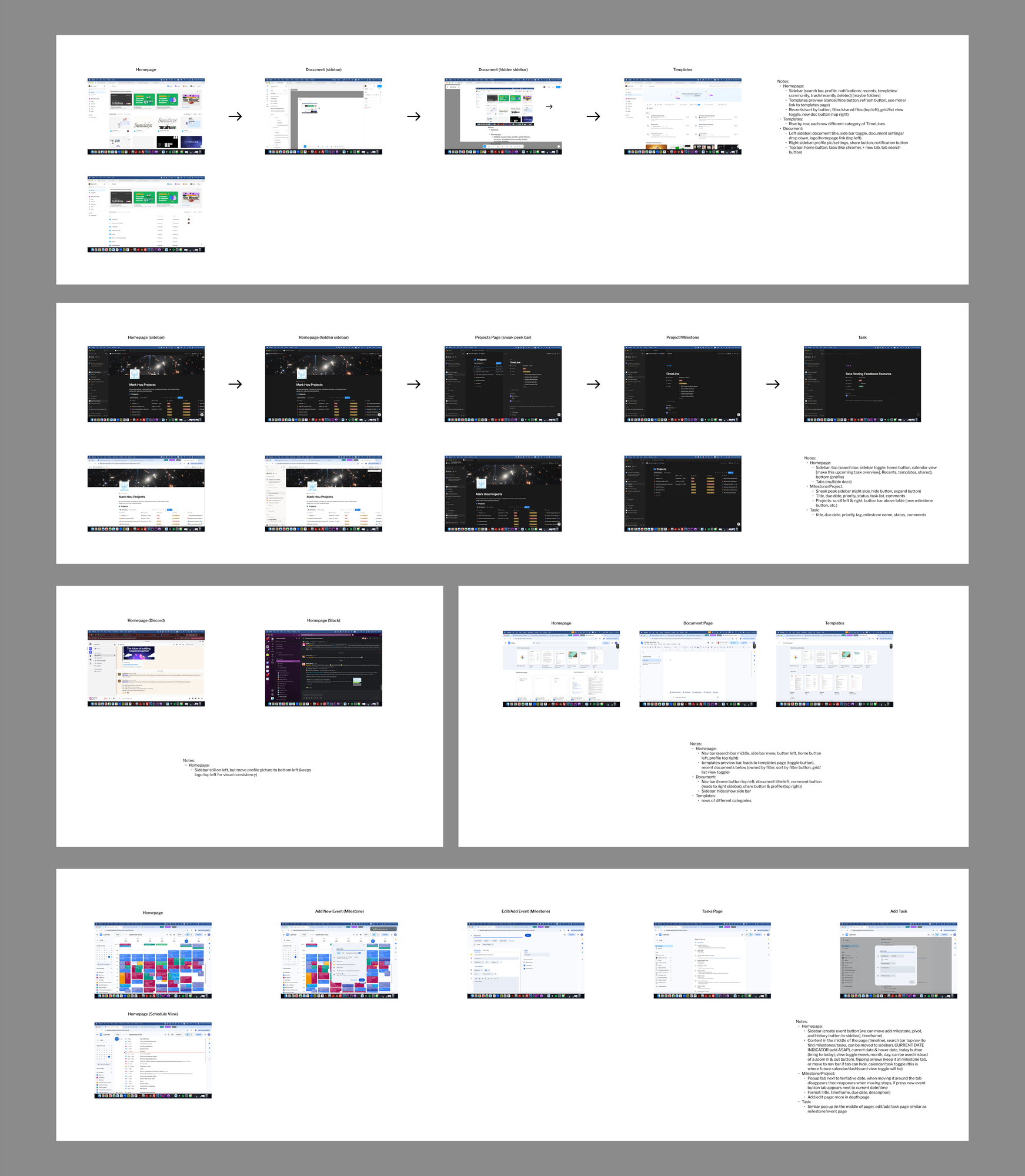
With initial validation around the problem space and a clear ICP, I began to research current productivity tools in the market, alongside tools with really intuitive user interfaces, and took notes to help inform my design decisions for TimeLine.
Prototyping
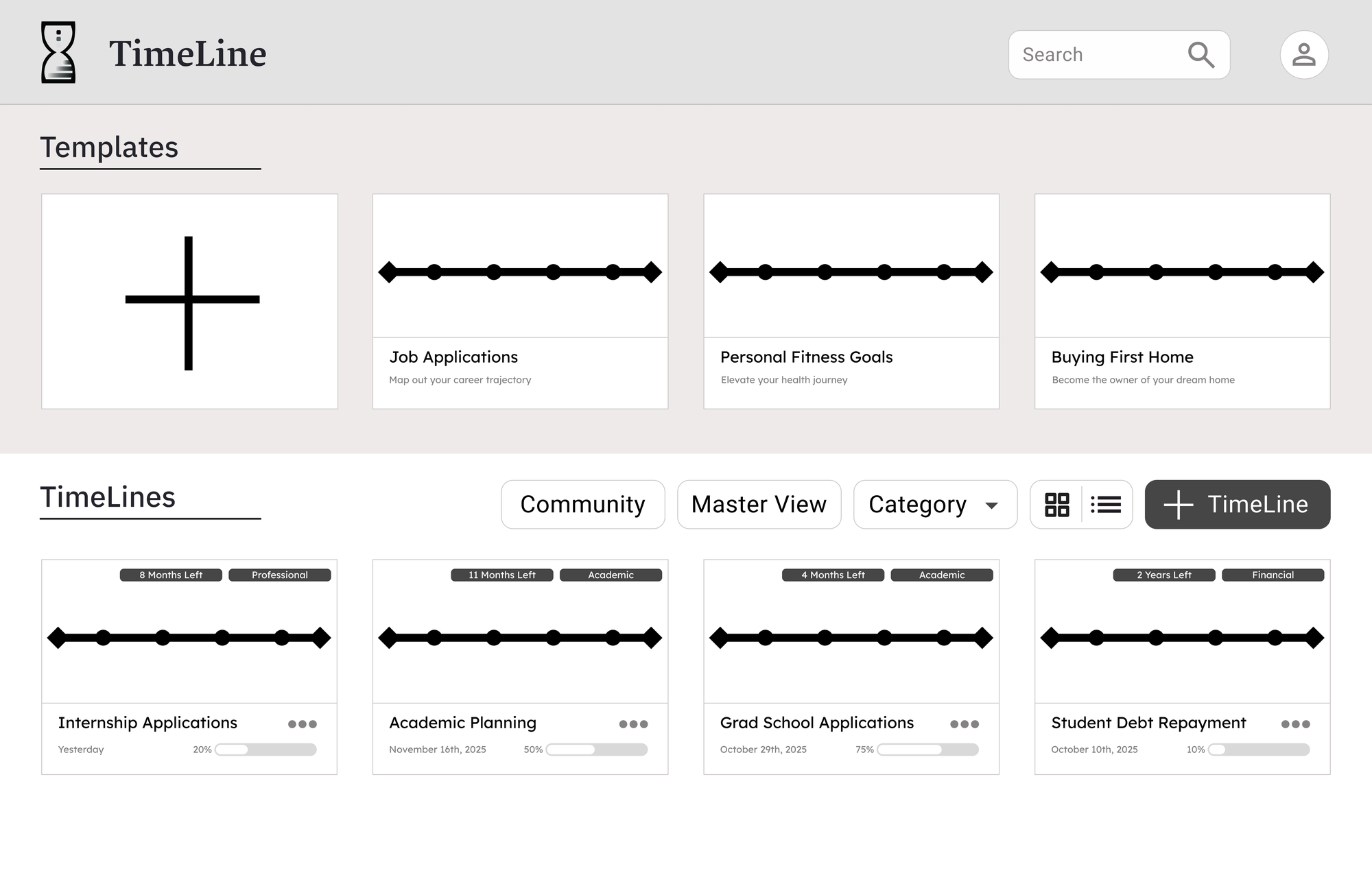
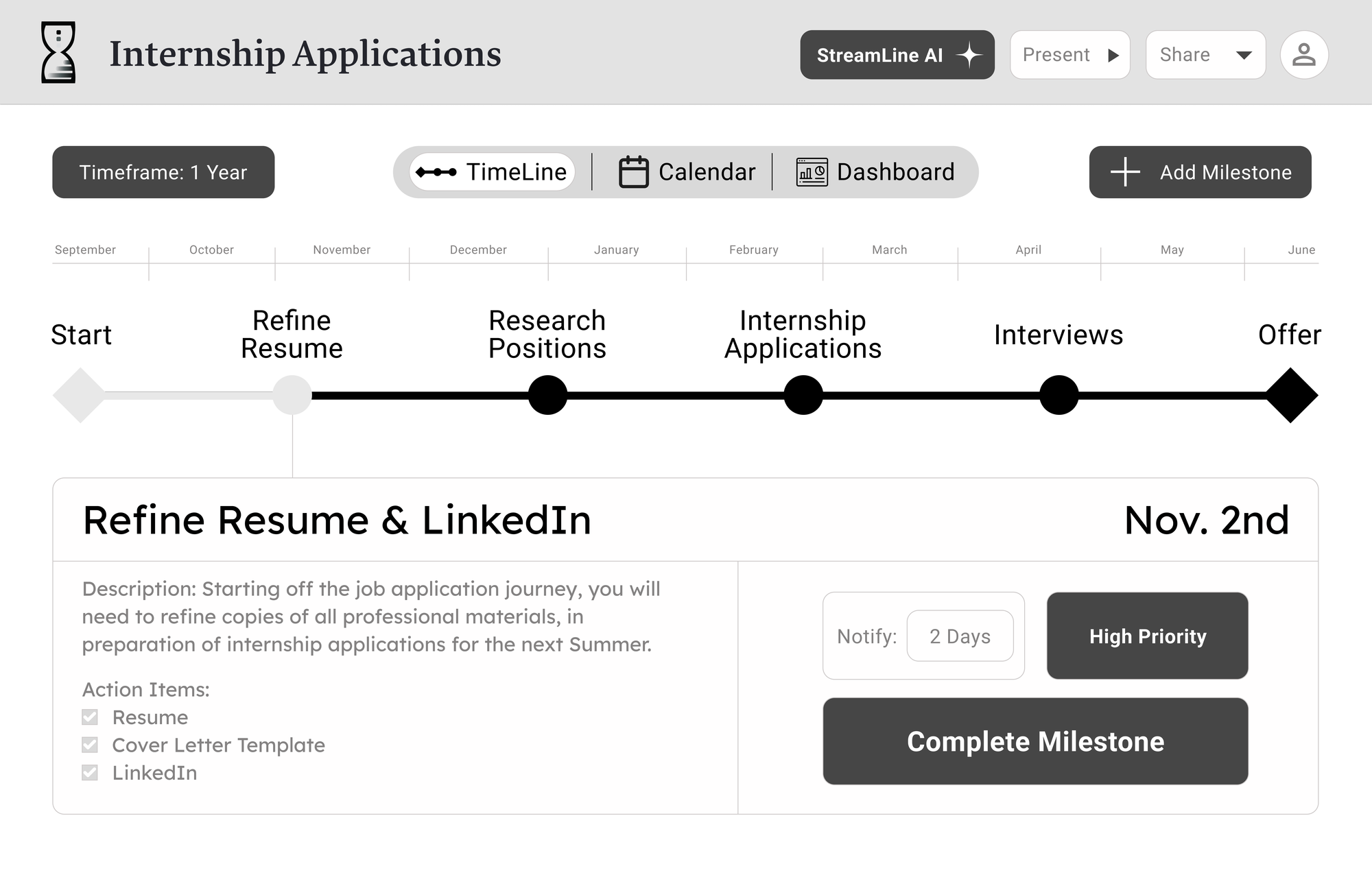
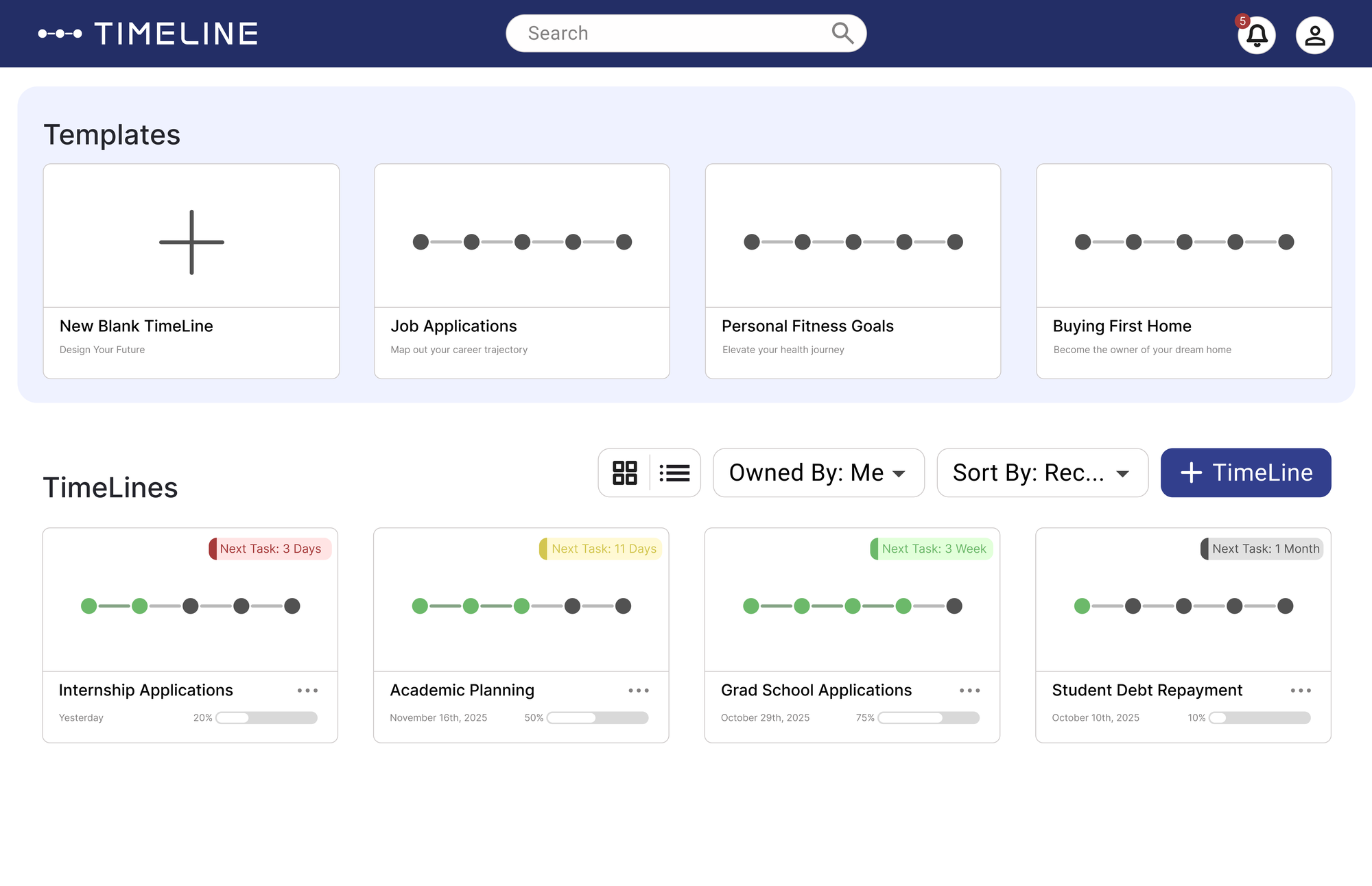
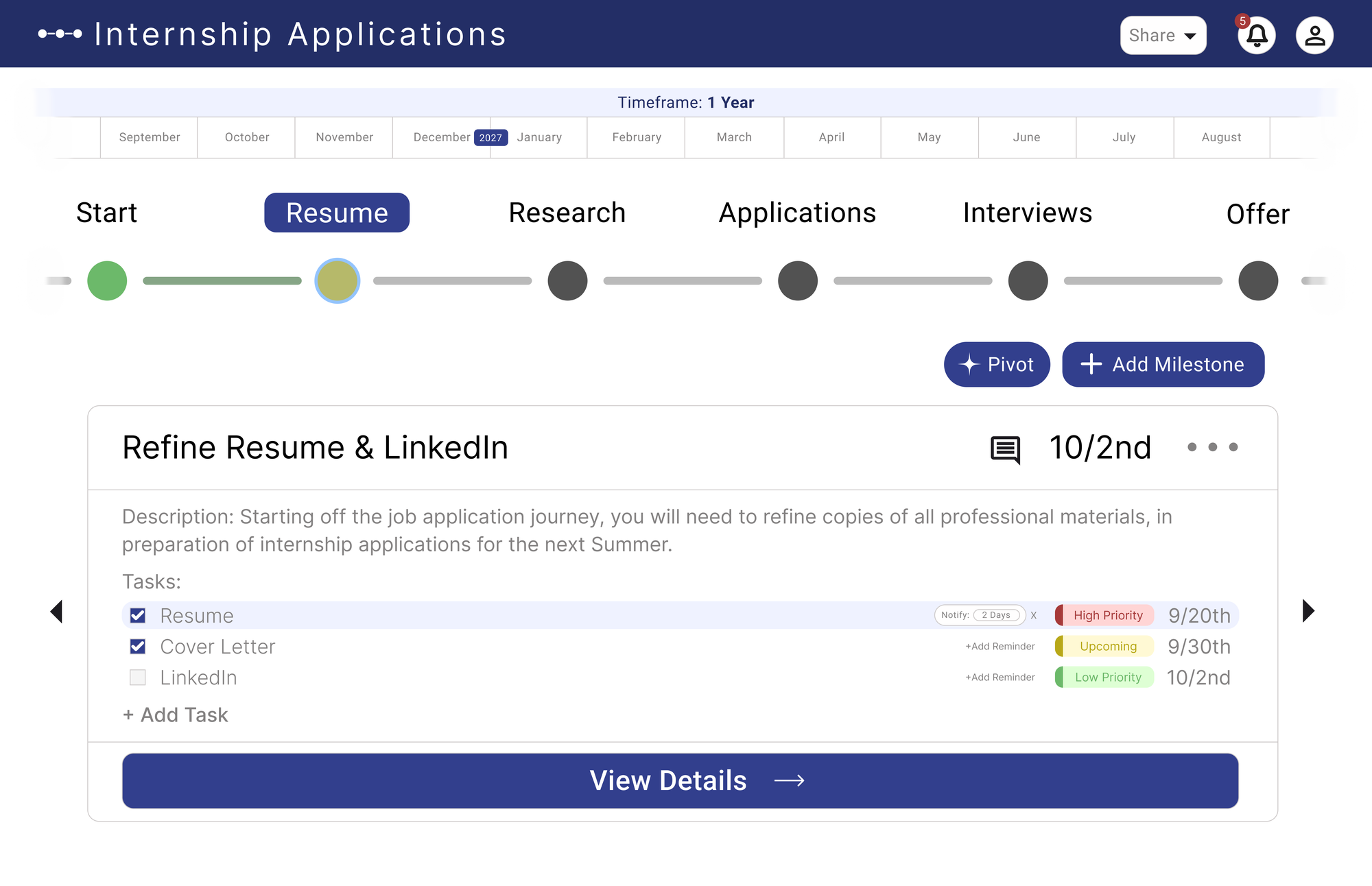
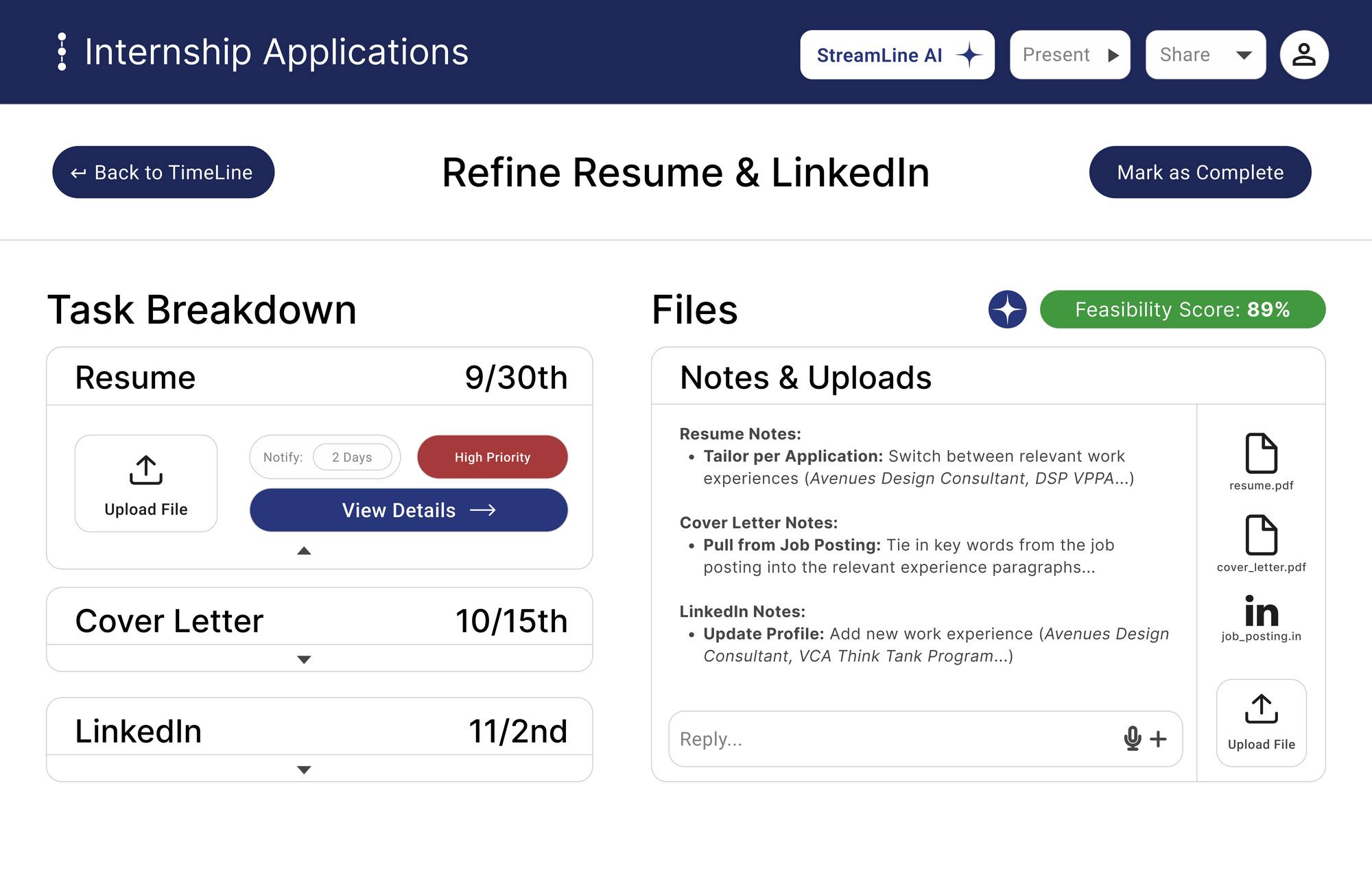
Afterwards, I began to iterate from low-fidelity wireframes to a high-fidelity prototype in Figma, and refined the design based on feedback from friends and mentors.
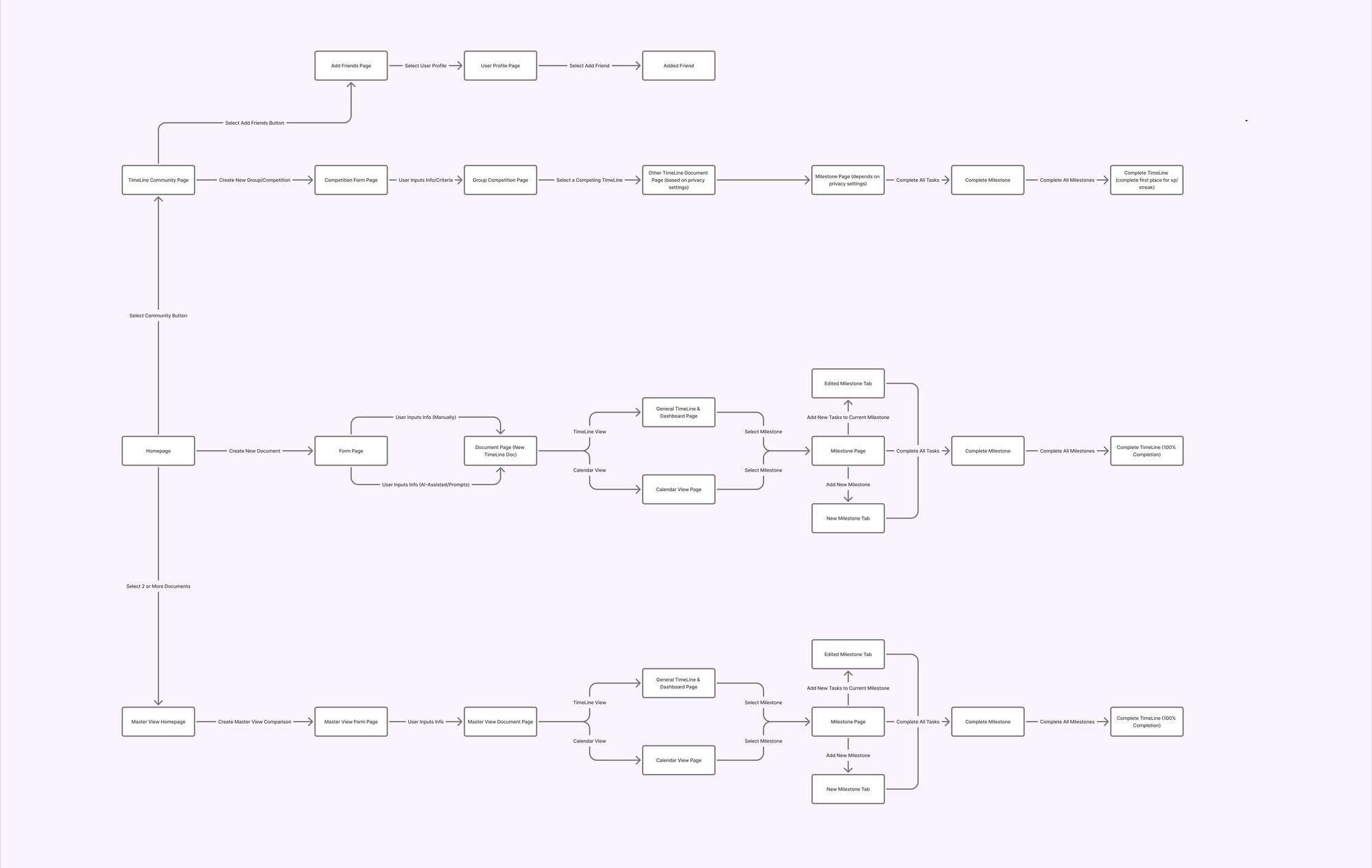
After thinking out the user flow and interactions, I still turned towards user feedback & validation testing. I conducted further interviews & beta tests with college students to better understand their feedback around the intial prototype, and understand what features they would like to see.
Solution
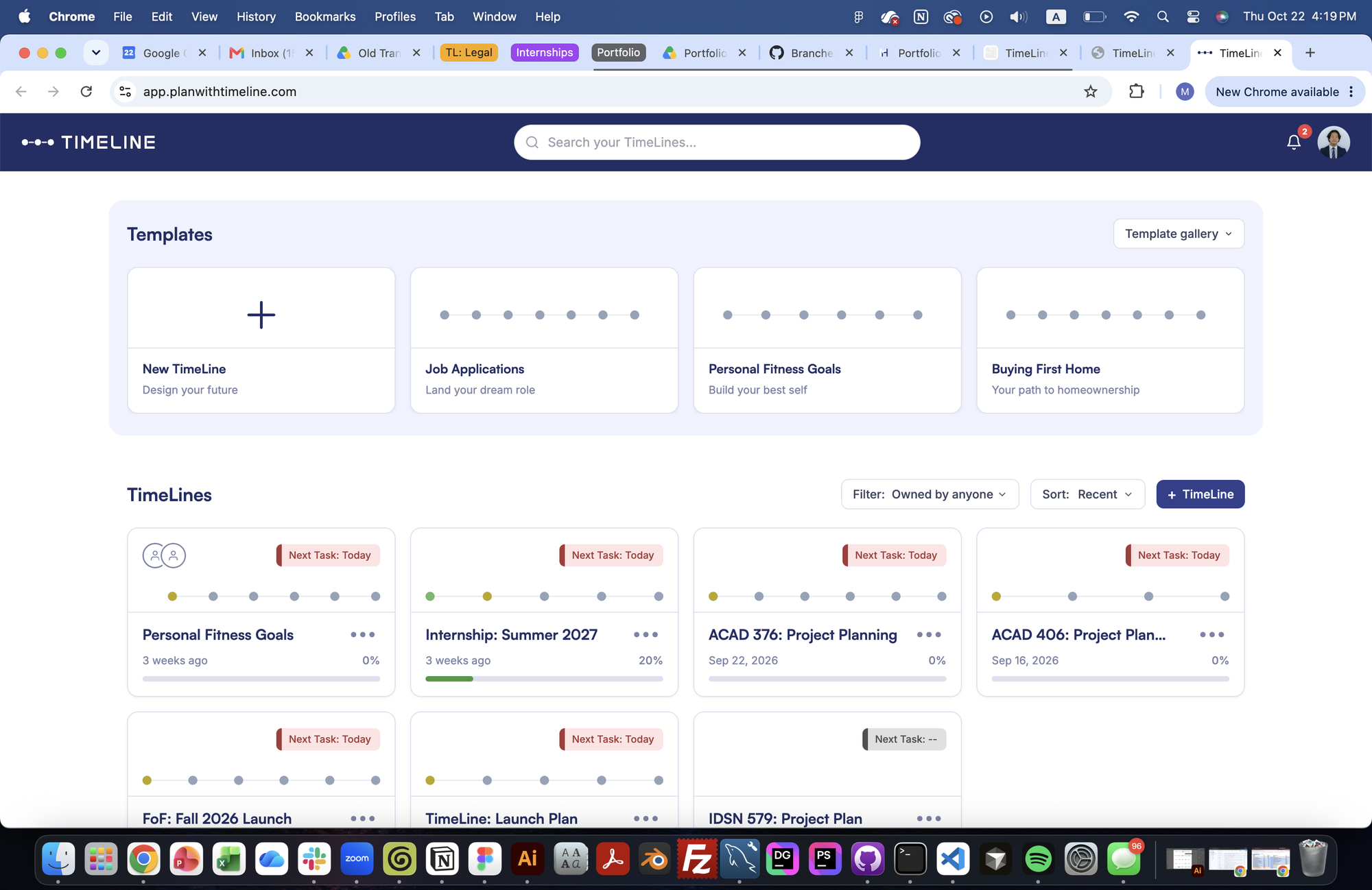
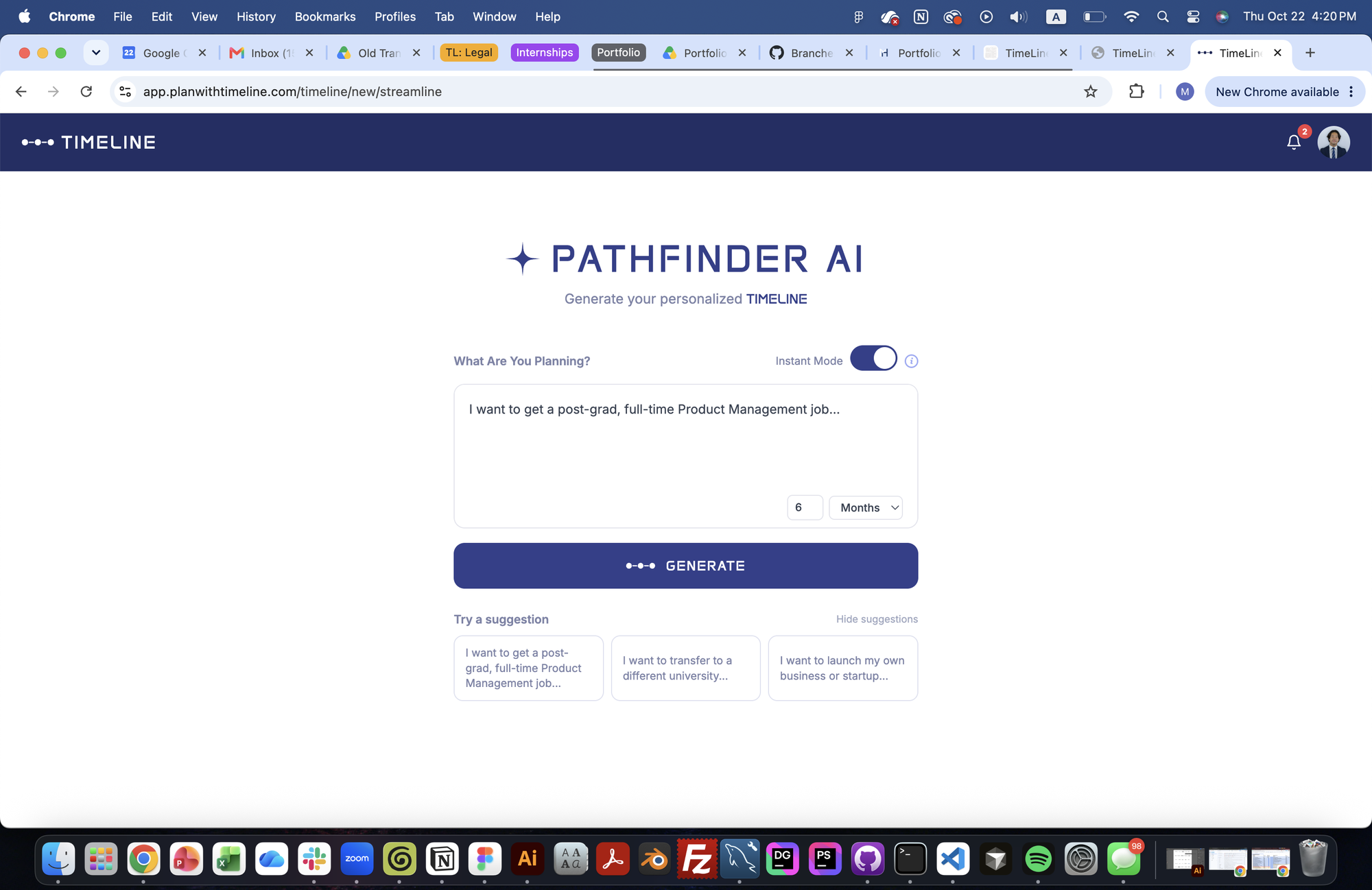
After conducting my research & testing, I began to work off the Figma prototype into a real MVP with a full-stack developer. After developing throughout this past summer, alongside 20+ beta testers in parallel, we launched the MVP in September 2026.
The web app is live at planwithtimeline.com, and we are currently working on the next iteration of the product, as well as a mobile & desktop app.

Takeaways
This project has been my biggest learning experience in my life, and has taught me so much beyond just design, product strategy, GTM, and development. I learned how to research and validate ideas, how to lead a team, and how to put myself out there in a way I never had before. Throughout all the ups and downs, here are my biggest takeaways from this experience that I will carry with me into future projects and endeavors.
Start Before You Feel Ready
- Stop waiting for the perfect plan or a business partner, just get started.
- Push to learn new skills (wireframe before knowing design, coding before knowing web app development).
Talk to Users Early and Often
- Talk to people early and continuously, not just once the product feels ready.
- The earliest user interviews will shape the product more than trying to perfect it by yourself.
Focus on the Critical Path
- When juggling multiple hats, focus on the critical path, not perfection.
- As you grow, learn where to delegate work to specialists instead of taking it all on yourself.